Essential cat gear boils down to five things: a litter box your cat will actually use, food and water they can reach easily, something to scratch that isn’t your couch, somewhere to climb or perch, and a safe way to travel. Everything else is a nice-to-have — genuinely nice, but optional.
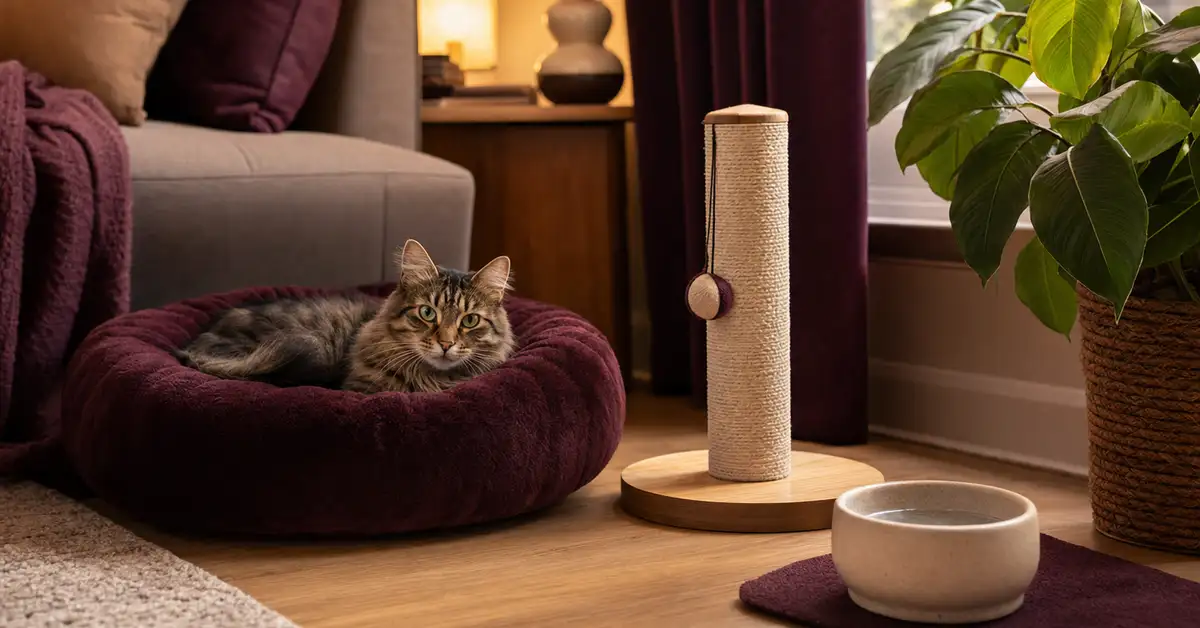
What does a cat actually need, gear-wise?
It’s easy to end up buying based on what looks good in photos rather than what solves a real problem. Before you buy anything, it helps to separate gear into two buckets: things that affect your cat’s daily wellbeing (litter, food, water, safe travel) and things that improve quality of life but aren’t strictly necessary (elaborate cat trees, novelty toys, matching decor). Start with the first bucket, get it right for your specific situation — one cat or five, 900 square feet or a house with a yard, an eight-week-old kitten or a fifteen-year-old senior — and layer in the rest as you go.
Below, we’ve broken down each category with the specific things that change the calculation: multiple cats, big cats, small spaces, and older cats. For our in-depth, ranked product picks in each category, follow the links through to our buying guides.
What litter box setup do you actually need?
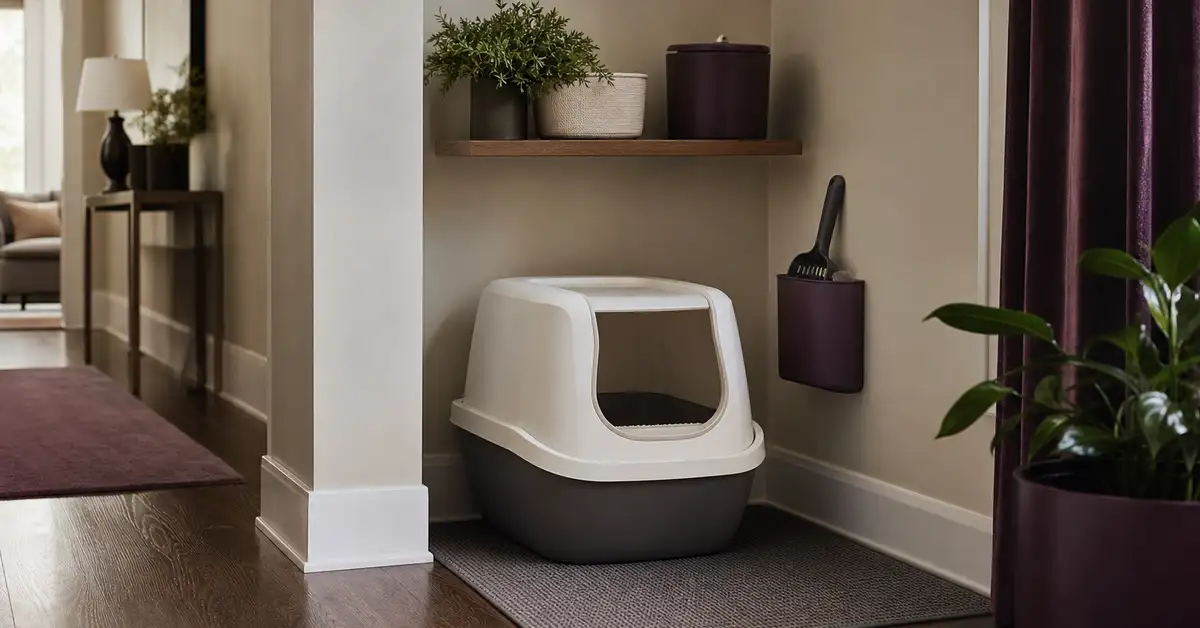
This is the highest-stakes decision in cat gear, because a litter box your cat dislikes leads directly to accidents elsewhere in the house. For most single-cat households, a well-sized standard box is genuinely fine. Where an automatic or self-cleaning litter box earns its (considerably higher) price is multi-cat homes, where manual scooping frequency becomes a real chore, and situations where odor control matters more than usual — small apartments, shared walls, limited ventilation. Large and heavy cats need to check weight limits and entry size carefully; not every automatic box is built for a 15+ lb Maine Coon. See our full breakdown: Best Automatic & Self-Cleaning Litter Boxes. Sticking with a standard box? See our best litter boxes for multiple cats guide for large-cat and multi-cat picks. Not sure how many you need in the first place? See how many litter boxes you should have. Want odor contained or hidden away entirely? See our best enclosed & covered litter boxes guide. And whatever box you choose, the litter itself matters just as much — see our best cat litter for odor control guide, including two subscription options, and our full how to get rid of litter box smell cleaning routine.
Do you need a special litter mat?
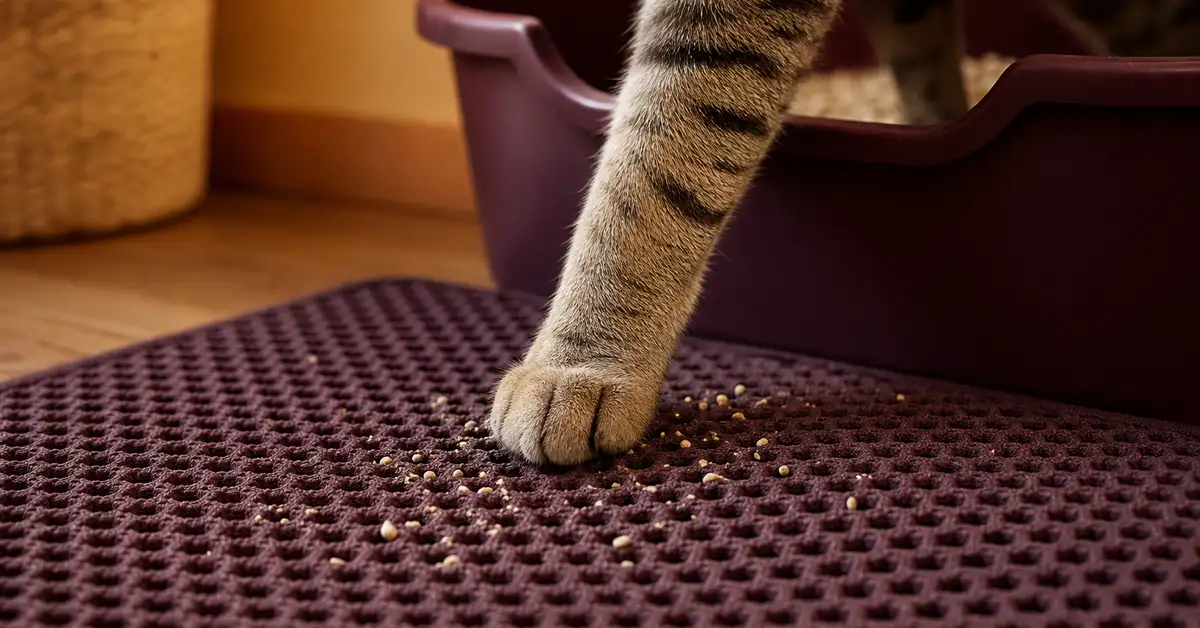
A good litter mat isn’t glamorous, but it solves a genuinely annoying problem: litter tracked across your floors. For multi-cat households or homes with long-haired breeds, a larger, deeper-textured trapping mat pays for itself quickly. For a single short-haired cat in a low-traffic spot, a basic mat is usually enough. See our full breakdown: Best Cat Litter Mats for Large Cats & Multi-Cat Homes.
Is a water fountain worth it for cats?
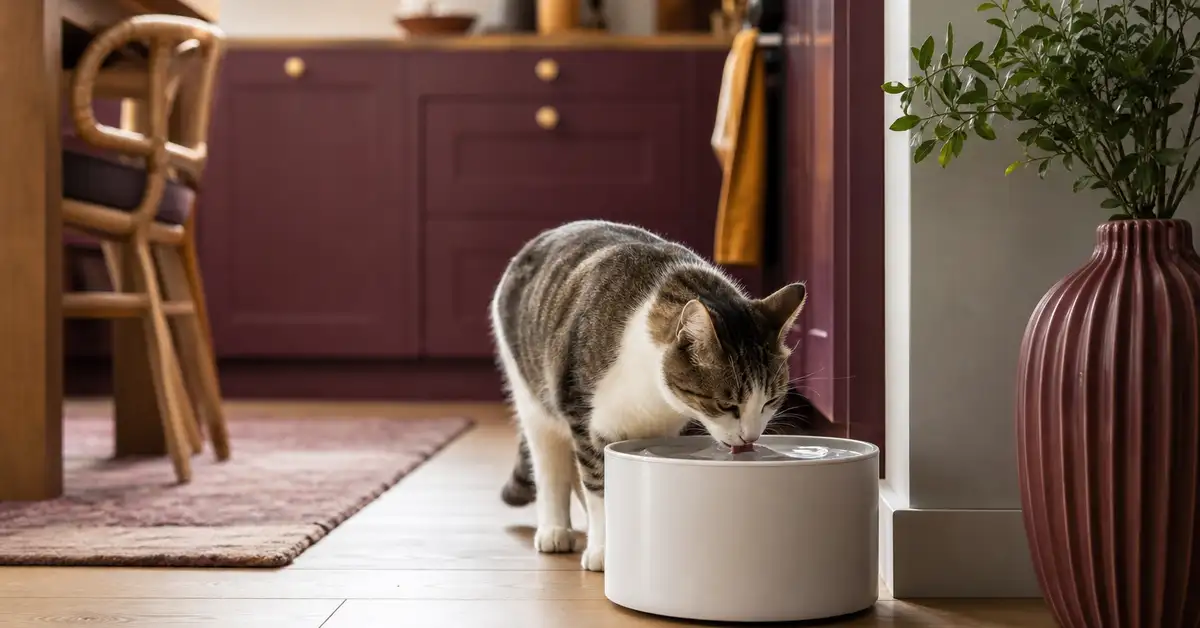
Cats are notoriously under-hydrated compared to dogs, partly because many of them just don’t love drinking from a still bowl. A circulating fountain encourages more frequent drinking for a lot of cats — though it’s genuinely not necessary for every cat, and some ignore fountains entirely in favor of the bathroom sink. Multi-cat homes benefit from a larger-capacity model so it isn’t refilled constantly. See our full breakdown: Best Cat Water Fountains. If your cat has chin acne or won’t tolerate a plastic bowl, see our best stainless-steel cat water fountains guide, or our best ceramic cat water fountains guide for the quieter, non-metal alternative. For three or more cats specifically, see our best water fountains for multiple cats & large capacity guide, and see how to clean a cat water fountain to keep any fountain hygienic. If your cat barely seems to drink at all, see our guide to why cats often don’t drink enough water (and what the research actually says about whether a fountain helps).
What should you look for in a scratcher or scratching post?
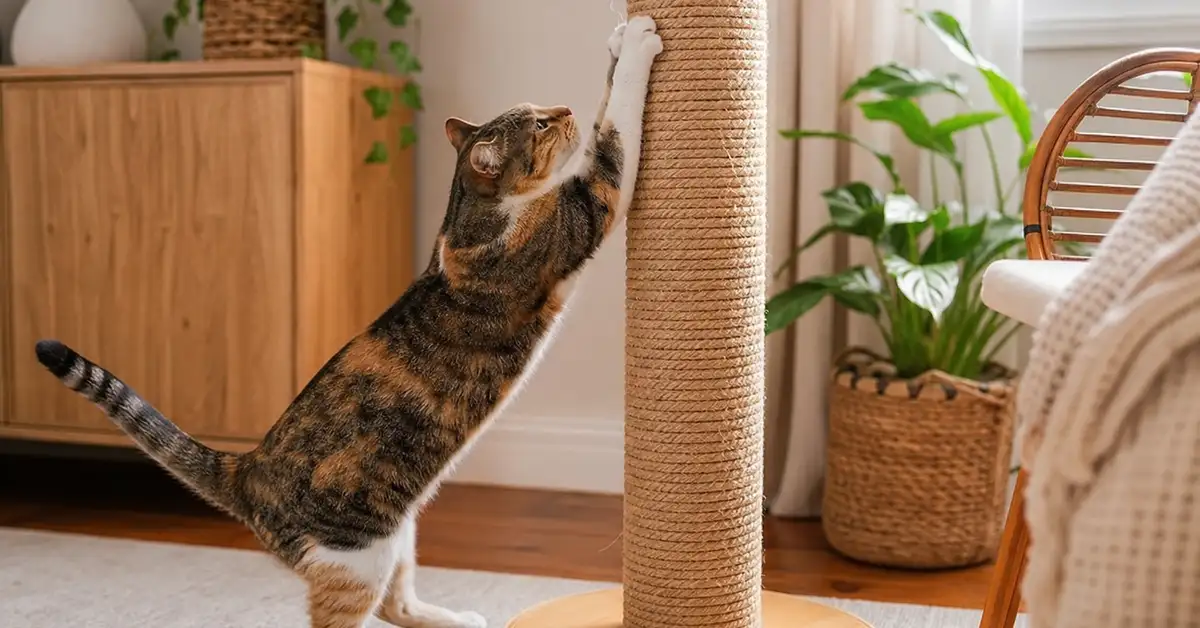
Scratching is a physical need, not a bad habit — cats scratch to maintain their claws and mark territory, and they’ll do it on your furniture if nothing better is available. The material matters more than the shape: sisal rope and sisal fabric hold up far longer than carpet-wrapped posts. Height matters too, especially for cats that like to stretch fully upright. See our full breakdown: Best Cat Scratchers & Scratching Posts.
Do you need an automatic feeder?
Automatic feeders solve two problems: portion control for cats prone to overeating, and reliable feeding when your schedule is unpredictable. They’re most valuable for multi-cat homes where one cat tends to steal another’s food, and for anyone who’s regularly out of the house at feeding time. For a single cat with a consistent routine and no weight issues, a feeder is a convenience, not a necessity. See our full breakdown: Best Automatic Cat Feeders. Feeding wet or canned food on a schedule is a different mechanical problem — cooling and sealing matter more than portion control — so see our separate guide to Best Automatic Wet/Canned Food Cat Feeders if that’s your situation. Curious about a simpler, non-electric option instead? See our honest breakdown of gravity cat feeders — genuinely useful for some households, but they can’t control portions the way a timed feeder can.
Does every cat need a cat tree?
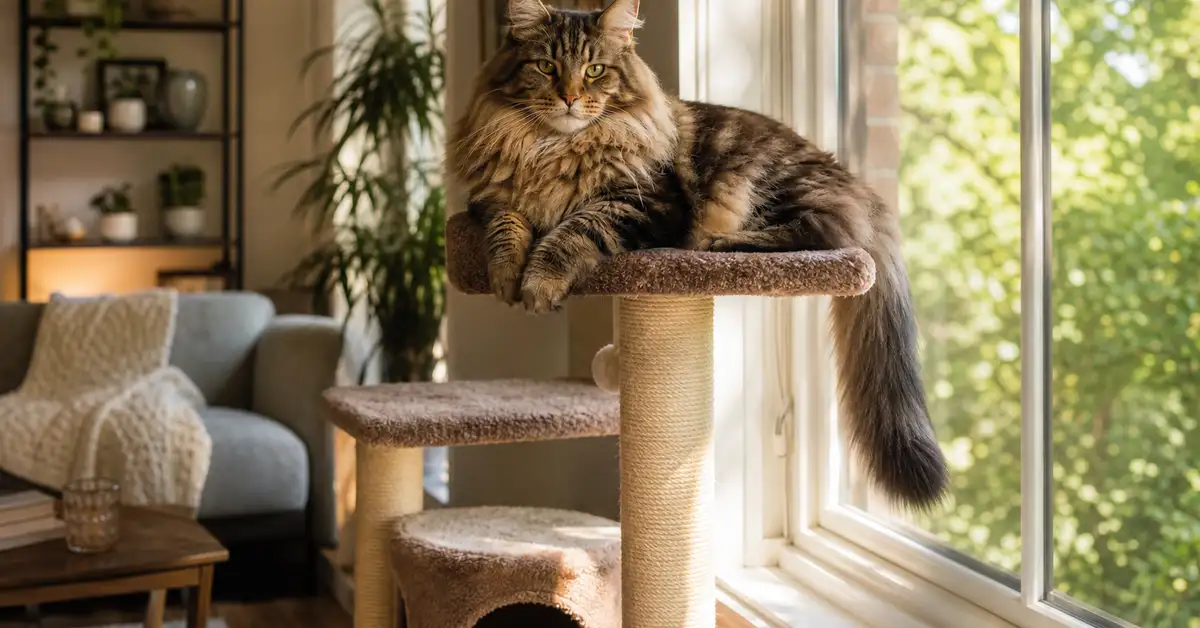
Not strictly — but vertical space genuinely improves a cat’s quality of life, especially in multi-cat homes where climbing lets less-confident cats get away from more assertive ones. Large-breed cats need a tree rated for their weight, with wide, stable platforms; a tree built for a average-sized cat can wobble dangerously under a 15+ lb frame. In small apartments, a tall, narrow tree or wall-mounted shelving often beats a wide floor unit. See our full breakdown: Best Cat Trees for Large Cats. If you have more than one cat sharing a tree, perch count and base stability for simultaneous use matter more than any single cat’s size — see our best cat trees for multiple cats guide. If capacity isn’t the issue and you’d rather it look like real furniture, see our best modern & furniture-style cat trees guide for solid-wood, upholstered, and wall-mounted options.
What carrier should you buy for vet visits and travel?
A carrier is safety equipment, not an accessory — you’ll need one for vet visits at minimum, and a bad one makes an already-stressful trip worse. Hard-sided carriers with top-loading access are generally easier to get an anxious cat into; airline travel has its own approved-dimension requirements if you fly. For multi-cat households, consider whether you need more than one carrier for simultaneous vet trips. And once you’ve picked one, here’s how to actually get your cat into it without a fight.
What’s different for multi-cat households?
Almost everything scales differently with multiple cats. Litter boxes need more capacity and faster cleaning cycles (or more boxes, full stop). Feeders need to prevent one cat from eating another’s portion. Water and climbing space need enough spots that cats aren’t competing for access. If you’re building out gear for a multi-cat home, we’ve flagged the multi-cat-specific picks in every buying guide we publish.
What’s different in a small apartment?
Footprint and odor control move to the top of the priority list. Vertical gear (tall scratchers, wall shelving, narrow cat trees) helps you avoid sacrificing floor space. For litter boxes specifically, ventilation and odor control matter more than they would in a larger home with more air circulation.
What’s different for a senior cat?
Mobility is the main thing to plan around. Lower-entry litter boxes, ramps to favorite perches, and easier-access food and water stations all matter more as cats age and find climbing or high sides harder. This is also general information, not veterinary guidance — if you’re noticing new mobility issues in an older cat, it’s worth a vet visit rather than a gear purchase alone.