Updated for 2026. Litter box odor almost always comes down to a handful of fixable factors: scooping frequency, litter type and depth, how you wash the box, where it sits, and how well the room is ventilated. Get those right and most homes — even multi-cat ones — can keep litter box smell to something barely noticeable. This guide walks through what actually works, what to avoid, and the specific point where persistent odor stops being a cleaning problem and becomes a reason to call your vet.
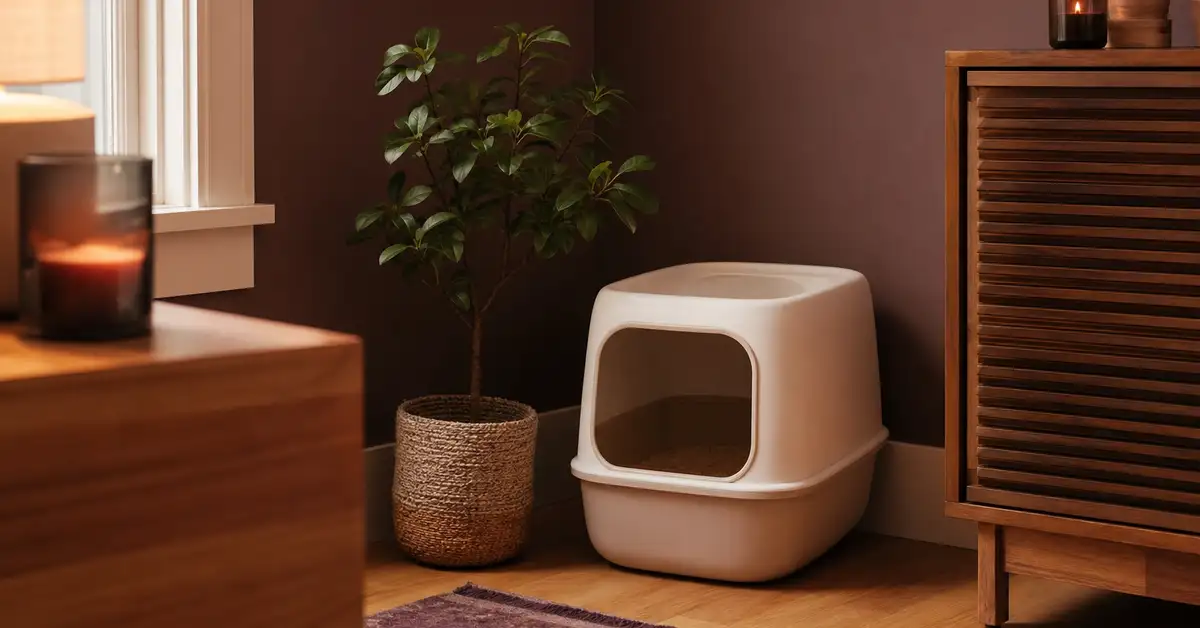
Why Litter Boxes Smell: The Ammonia Problem
Fresh cat urine doesn’t actually smell strongly of ammonia. It’s mostly water and urea, a nitrogen compound that’s relatively low-odor on its own. The sharp, eye-watering smell people associate with a neglected box shows up once bacteria in the litter start breaking that urea down into ammonia gas — a process that’s often noticeable within a day or two of waste sitting unremoved. Ammonia is volatile, so it evaporates and spreads readily into the room, which is why odor intensifies fast in small, poorly-ventilated spaces.
Cats have a far more sensitive sense of smell than we do, so a level of ammonia a person might barely register can already be enough to make a cat avoid the box. That’s the throughline for nearly everything below: reducing the time urine sits before removal, and the moisture it sits in, is the actual mechanism behind almost every odor-control tactic that works.
The Cleaning Routine That Actually Works
Scoop at Least Once a Day
The ASPCA recommends scooping every litter box daily, paired with weekly rinsing, as core to solving litter box problems generally — not just odor. PetMD frames daily scooping as critical precisely because cats’ sense of smell means a box that seems fine to a person may already be unacceptable to the cat, especially in multi-cat households sharing a box. If you can smell the box from across the room, or clumps have been sitting for more than a day, scooping frequency is almost always the first thing to fix.
Full Litter Changes: Clumping vs. Non-Clumping
Daily scooping isn’t the whole routine. PetMD recommends fully replacing litter and washing the box every one to two weeks, depending on litter type, cat count, and box size. Veterinary guidelines from AAFP/ISFM suggest washing every one to four weeks. Clumping litters, which let you remove the bulk of waste as discrete clumps, generally tolerate the longer end of that range if scooping is consistent. Non-clumping litters (some traditional clay, paper, or pellet types) can’t be selectively scooped the same way, so they typically need full changes on a tighter schedule — often weekly — to avoid ammonia building up in saturated material you can’t easily remove.
How to Wash the Box — and What to Avoid
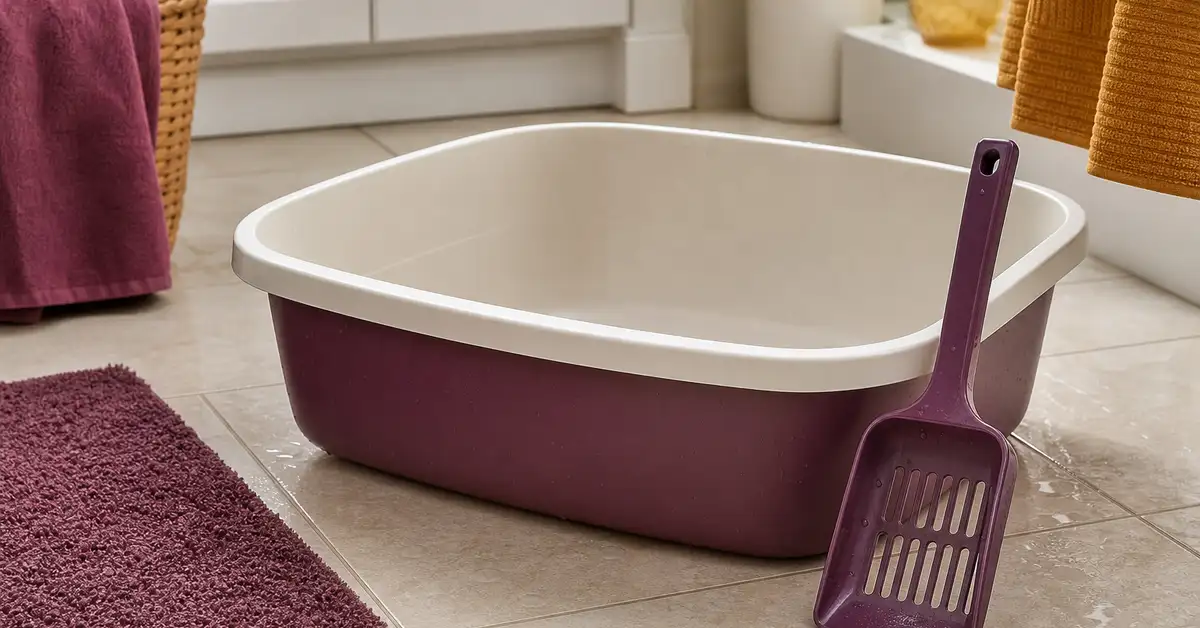
When you do a full change, wash the box itself, not just refill it. The ASPCA suggests rinsing with baking soda or unscented soap weekly, then washing with warm water and unscented soap. AAFP/ISFM guidelines are specific: soap and hot water only, and explicitly avoid strong chemicals or ammonia-based cleaners.
That’s not just a safety note — it’s behavioral. Cornell’s Feline Health Center points out that cleaning products containing ammonia or vinegar can actually smell like urine to a cat, potentially encouraging them to re-mark the area rather than avoid it. VCA Animal Hospitals adds that bleach and ammonia-based products can cause skin, eye, and respiratory irritation in cats if they’re exposed to residue or fumes. Skip bleach, ammonia cleaners, and heavily-scented disinfectants entirely. Hot water and a mild, unscented dish soap, scrubbed and rinsed well, is what the sources actually recommend.
When to Replace an Aging Box
Plastic boxes don’t stay odor-neutral forever. Cat claws and abrasive litter create micro-scratches over time, and those scratches give bacteria and odor compounds somewhere to lodge that washing can’t fully reach. If a box smells like urine even right after a thorough wash, that’s usually the plastic itself, not your cleaning technique. Replacement guidance varies by source — commonly cited ranges run from about six months to two years depending on how heavily the box is used — but the more reliable signal is the box itself: persistent odor after washing, visible scratching, or discoloration mean it’s time for a new one regardless of the calendar.
Where You Put the Box Matters
Cornell’s Feline Health Center recommends placing boxes somewhere quiet and accessible, with more than one way in or out, rather than tucking them into a corner where a cat could feel trapped. PetMD adds that good locations are away from loud appliances and away from other pets that might block access. AAFP/ISFM guidelines and humane society behavior resources agree on the same core point: private but not remote, easy to reach, and definitely not crammed into a small closed space.
That last point matters specifically for odor. A box shut inside a small, unventilated closet or cabinet has nowhere for ammonia to disperse, so it builds up to a much higher concentration than the same box would reach in an open room — which is exactly why opening that closet door can hit you with a wall of smell even when the box itself isn’t especially dirty. Placing boxes in rooms with reasonable airflow, or adding a small fan nearby (positioned so it doesn’t spook the cat), measurably helps. VCA’s home-safety guidance on cleaning also emphasizes keeping spaces well-ventilated generally, which applies just as well to everyday litter box placement as it does to cleaning day.
Keep boxes away from food and water stations, too. Cats naturally prefer to separate eating from eliminating, and several veterinary and behavior sources specifically warn against placing litter boxes near feeding areas — both for the cat’s comfort and so litter box smell doesn’t mix with your own kitchen or dining space.
Does the Litter Itself Matter?
Yes, though mechanism matters more than brand. Clumping clay litters form clumps around urine that you can remove whole, which is a big part of why they’re so widely used for odor control — when scooping is consistent, very little saturated material is ever left behind. Silica crystal litters absorb moisture into a porous structure and can go longer between full changes, but they don’t clump, so any waste that isn’t scooped daily sits and saturates in place. Plant-based litters (corn, walnut, wood, paper) vary: some clump, some don’t, and their odor performance follows the same clumping-vs-non-clumping logic either way.
Depth matters too — too shallow, and urine pools at the bottom and saturates the plastic; too deep, and it’s harder to spot clumps or gauge when a change is due. Most sources land on roughly 2 to 3 inches for clumping litters as a starting point, adjusted for your cat’s digging style and the box size.
We cover this in far more depth, including specific verified products by category, in our best cat litter for odor control guide.
What About Litter Box Liners?
Veterinary and behavior guidance is fairly consistently cautious here. Cornell notes that while liners can make cleaning easier, many cats simply don’t like them. AAFP/ISFM guidelines recommend avoiding liners, slotted grates, and deodorizing powders altogether. Humane society behavior resources go further, warning that liners can be irritating to some cats in the same way covered boxes can be — and that claws catching in a liner can put a cat off digging and burying properly, which means more exposed waste and, ultimately, more smell, not less.
If your cat reliably uses a lined box, digs and buries normally, and shows no signs of avoidance, liners aren’t automatically a problem. But if you’re troubleshooting a smell or house-soiling issue, removing the liner is a reasonable thing to try before assuming it’s something else.
Room-Level Odor Control (Beyond the Box Itself)
Once the box, litter, and cleaning routine are dialed in, a few supplemental steps can help with residual smell in the room:
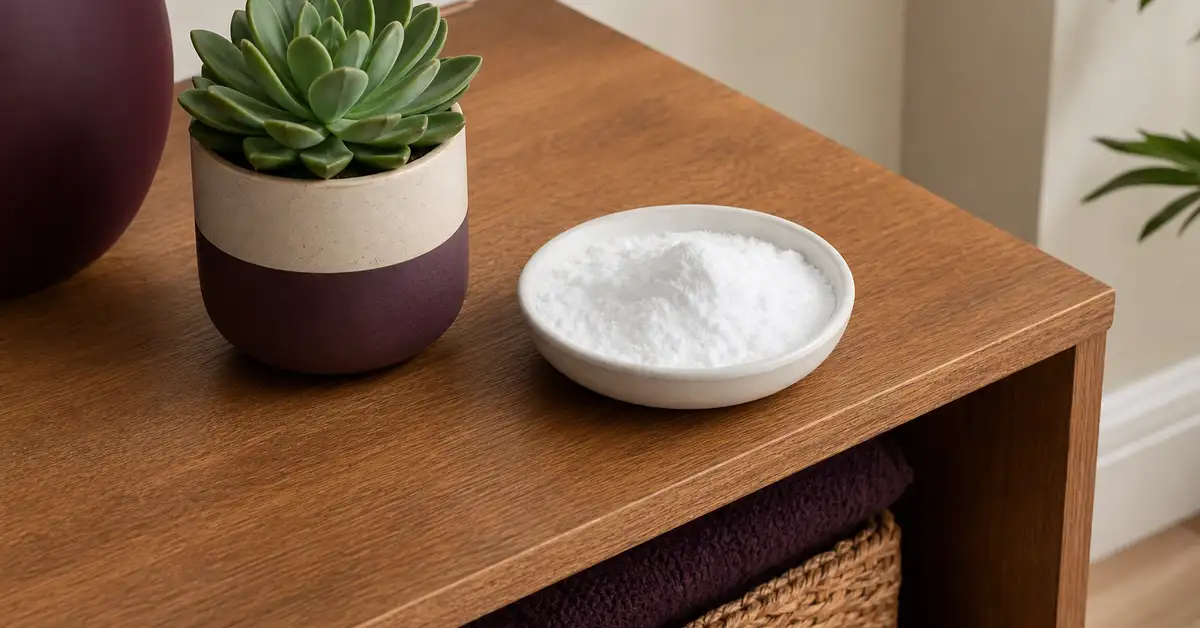
Baking soda is genuinely useful as part of the wash routine — the ASPCA specifically suggests rinsing boxes with baking soda or unscented soap. But don’t sprinkle it loose directly into the litter your cat digs in. Baking soda ingested in large amounts can cause vomiting, diarrhea, and in more serious cases a dangerous sodium imbalance in cats, according to veterinary poison-control guidance. Used in the wash water, or kept in a closed container near (not inside) the litter area, it’s fine; loose in the box where a cat could ingest a meaningful amount while digging, it isn’t worth the risk.
Activated charcoal works by physically adsorbing odor molecules rather than masking them, which is why it shows up both in some litter formulations and in air purifier filters aimed at pet odor. It’s a genuine supplement to good maintenance, not a replacement for it.
Air circulation — a fan, an open window, or just better airflow through the room — measurably reduces how concentrated odor gets, for the same reason enclosed closets make it worse. Air purifiers with an activated carbon stage (not HEPA alone, which doesn’t address gases) can help in rooms with limited natural ventilation or multiple boxes.
Skip the air fresheners. This is worth calling out specifically: spraying strong perfumed air freshener, scented candles, or heavy disinfectant near the litter area tends to backfire. Cats are far more scent-sensitive than we are, and several veterinary and behavior sources warn that heavy fragrance near the box can make cats avoid it — which means more accidents outside the box, not less smell overall. If a box smells clean to you but strongly perfumed, that’s often a warning sign for the cat, not a win.
Do Covered or Automatic Litter Boxes Smell Less?
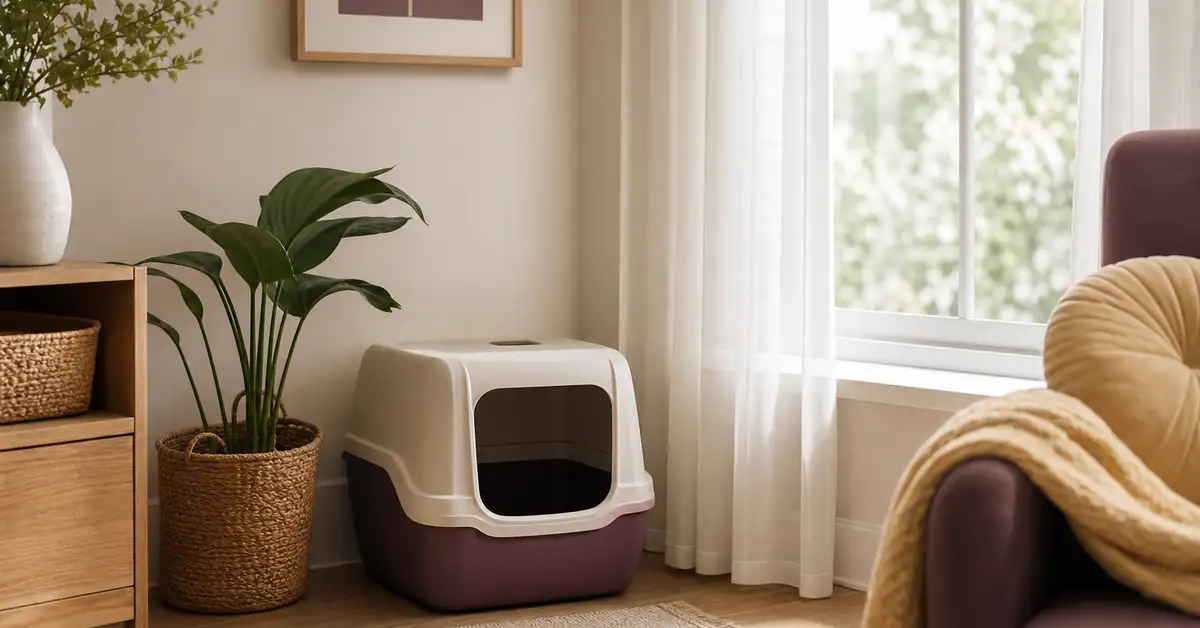
It’s genuinely mixed. Behavior researchers reviewing the science note that when cats have a large box with clumping litter that’s scooped daily, they don’t show a strong overall preference for covered versus open — cleanliness and space matter more than the hood. But in practice, covered boxes are often smaller than they should be, and hiding waste from view can mean you notice buildup later than you would with an open box, which works against you on odor even as it works for you on aesthetics. Cornell specifically suggests switching to a box with a 360-degree view if a cat seems reluctant to use one, partly because covers can trap odor right where the cat has to stand.
Automatic self-cleaning boxes take a different approach: they mechanically remove waste shortly after use, which directly targets the “time before removal” variable that drives ammonia formation in the first place. Many also seal waste into a separate compartment, often with a carbon filter. That’s a real advantage for odor when it works as intended, though the waste compartment still needs regular emptying, and not every cat tolerates the noise or motion. We cover the enclosed and automatic categories in detail, including specific verified picks, in our best enclosed & covered litter boxes and best automatic & self-cleaning litter boxes guides.
How Many Boxes You Have Affects Odor, Too
This is easy to overlook when you’re troubleshooting smell box-by-box. The standard guidance — one litter box per cat, plus one extra — exists partly for behavioral reasons, but it has a direct odor consequence too: too few boxes means more concentrated use per box, which means faster saturation and more odor per box regardless of how well you clean. Multi-cat and large-cat households in particular benefit from getting the count and sizing right before troubleshooting anything else. We break down exactly how to calculate the right number for your household in how many litter boxes you should have, and cover sizing for bigger cats and multi-cat homes in best litter boxes for multiple cats.
When Litter Box Smell Might Signal a Health Problem
Most litter box odor is a maintenance issue. But persistent smell that doesn’t respond to good cleaning, or a real change in the character of the smell, is worth paying attention to — especially alongside any change in your cat’s behavior, appetite, thirst, or elimination habits.
A sudden change in litter-box odor, or in how often or how much your cat urinates, is worth raising with your vet.
None of this is meant to be diagnostic, and we’re not veterinarians — our author, Michael Probert, writes from research and long-term multi-cat ownership experience, not clinical training, and this site has no in-house veterinary reviewer by design. If odor stays strong despite genuinely good scooping, washing, and box maintenance, or if it changes character alongside any of the signs above, that’s a reason to talk to your vet, not to keep experimenting with cleaning products.
Maintenance Fix or Vet Visit? A Quick Decision Guide
Start with maintenance: are you scooping at least daily, doing full changes on the schedule your litter type needs, washing with mild unscented soap (never bleach or ammonia-based cleaners), and is the box somewhere ventilated and away from food and water? If any of those are slipping, fix them first — that resolves the large majority of litter box odor complaints.
If you’ve genuinely nailed all of that and the smell is still strong, unusually sharp, or has changed character — especially alongside more thirst, changes in appetite or weight, straining, frequent box trips, urinating outside the box, or looser stool — treat that as a signal to call your vet rather than a cue to try another cleaning product. Sudden house-soiling in a previously reliable cat is one of the clearer versions of this same rule: veterinary sources are consistent that this should prompt a vet visit first, not punishment or more air freshener.
Frequently Asked Questions
Methodology & Sources
This guide draws on veterinary and behavior-authority sources: the ASPCA, Cornell Feline Health Center, PetMD, the AAFP/ISFM feline house-soiling guidelines, Wisconsin Humane Society, VCA Animal Hospitals, and veterinary-authored health-sign content. We deliberately avoided forum, social media, and influencer-video sources even where they surfaced during research, in favor of veterinary and behaviorist-authority citations for every claim. Michael Probert, our author, writes from research and long-term multi-cat ownership experience, not clinical or veterinary training — see our About page. We have no in-house veterinary reviewer.
Sources: Cornell Feline Health Center, ASPCA, PetMD (house-soiling), PetMD, AAFP/ISFM House-Soiling Guidelines, Wisconsin Humane Society, VCA Animal Hospitals, What Your Cat Wants (covered box behavior science), American College of Veterinary Pharmacists (baking soda), and The Vet Desk (ammonia chemistry, vet-reviewed).
For the rest of the litter box picture, see our best cat litter for odor control guide, best automatic & self-cleaning litter boxes, how many litter boxes you should have, or the full cat gear guide.